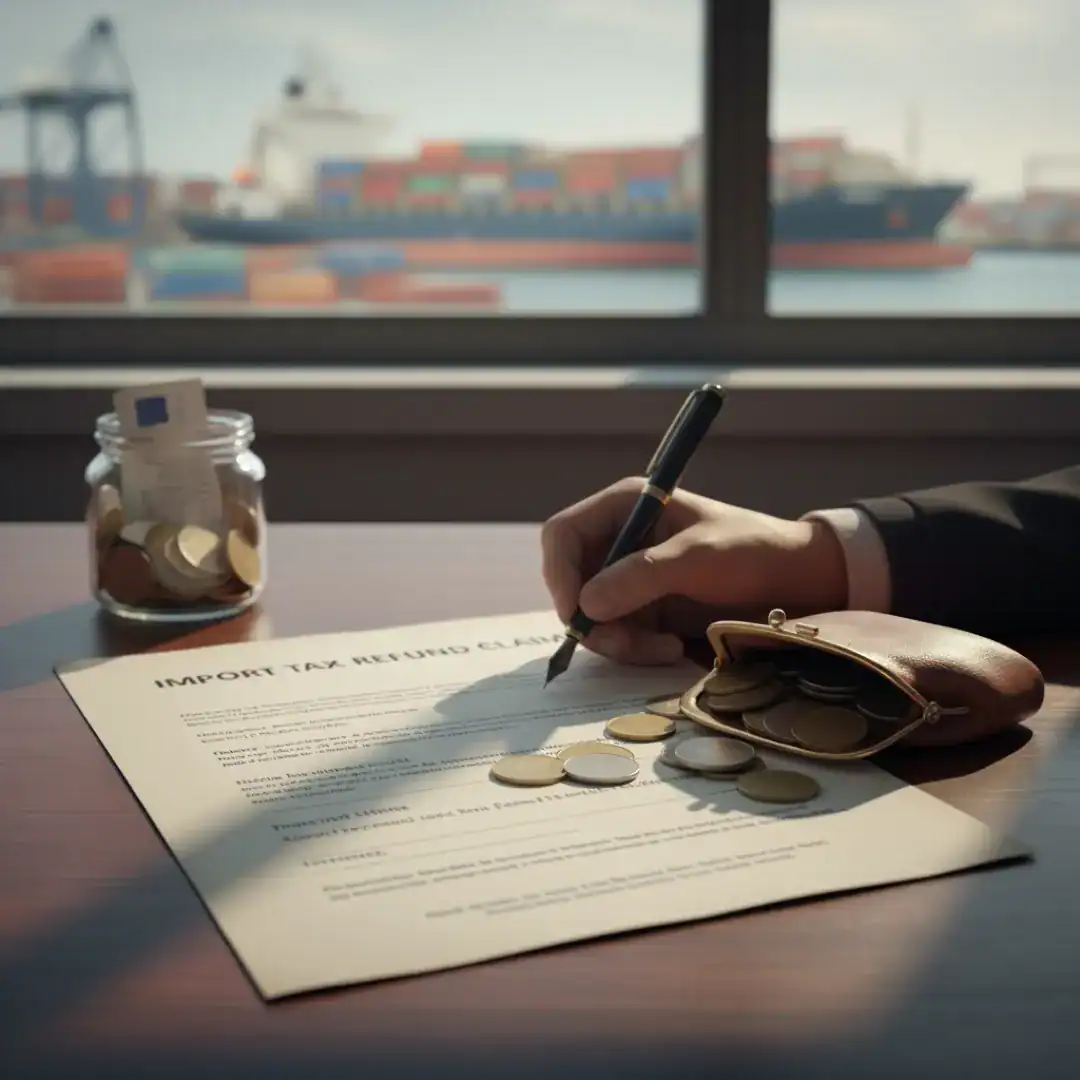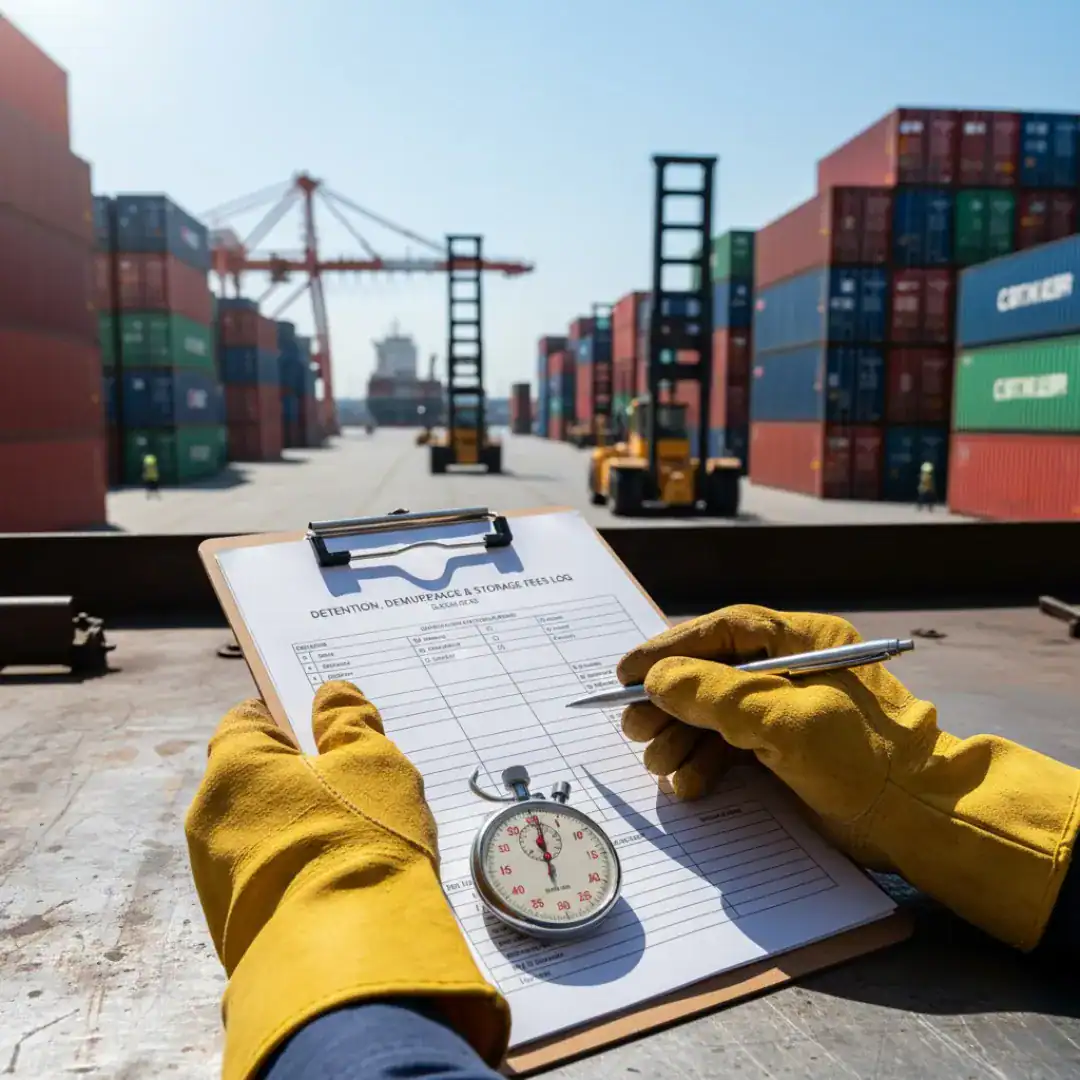


Starting to import or export goods?
The world of international trade offers tremendous opportunities-but also challenges that can lead to significant losses.
Regulatory mistakes, miscalculating costs, or choosing the wrong suppliers can cause delays, fines, or even lost shipments.
In this article, we’ll review the five most common mistakes new importers and exporters make-and how to avoid them.
1️⃣ Not Understanding Regulations and Legal Requirements
One of the most critical mistakes is being unfamiliar with import and export laws in different countries.
Customs regulations, quality standards, special licenses, and import taxes can vary widely from one country to another.
Failure to comply can result in significant delays-or even destruction of shipments.
How to avoid this mistake:
- Research the regulatory requirements in both the destination country and the country of origin.
- Consult a customs broker or international trade advisor to ensure compliance with all laws.
- Sign up for updates on changes to trade regulations in relevant countries.
2️⃣ Miscalculating Import and Export Costs
New importers and exporters often focus solely on the product cost, overlooking additional expenses such as:
- Sea or air freight
- Storage fees
- Taxes and customs duties
- Insurance
- Handling fees
Incorrect calculations can hurt profitability-or even lead to losses.
How to avoid this mistake:
- Prepare a detailed list of all potential costs, including hidden expenses.
- Use services that provide a comprehensive shipping cost estimate.
- Define Incoterms (international trade terms) clearly with suppliers and clients to avoid unexpected costs.
3️⃣ Working with Unreliable Suppliers or Customers
Choosing the wrong supplier or customer can result in late deliveries, poor quality, or even fraud.
How to avoid this mistake:
- Ask for references and examples of previous work with other clients.
- Conduct background checks on suppliers using government or dedicated platforms.
- Start with small orders before committing to large transactions.
4️⃣ Poor Logistics Planning
Logistics is a critical component of every import or export transaction, yet new traders often neglect proper shipping planning.
The result:
Delays, higher costs, and unexpected disruptions.
How to avoid this mistake:
- Choose a shipping method that suits your product-sea, air, or a combination.
- Plan routes carefully and avoid regions with known regulatory delays.
- Use digital tracking systems for real-time shipment management.
5️⃣ Mistakes in Documentation and Customs Procedures
Missing documents or errors on forms are among the most common causes of delays and problems at customs.
How to avoid this mistake:
- Ensure you have all required documents: commercial invoice, certificate of origin, packing list, etc.
- Work with a certified customs broker to verify that all documents are accurate.
- Use electronic trade management platforms to minimize mistakes and submit documents digitally.
In Summary
The import-export world is dynamic and complex, but avoiding these common mistakes can make the difference between remarkable success and business failure.
If you’re just starting out, it’s wise to consult experts, conduct thorough market research, and plan your steps carefully.