

Everything You Need to Know About Storage Charges – and How to Avoid Them Smartly
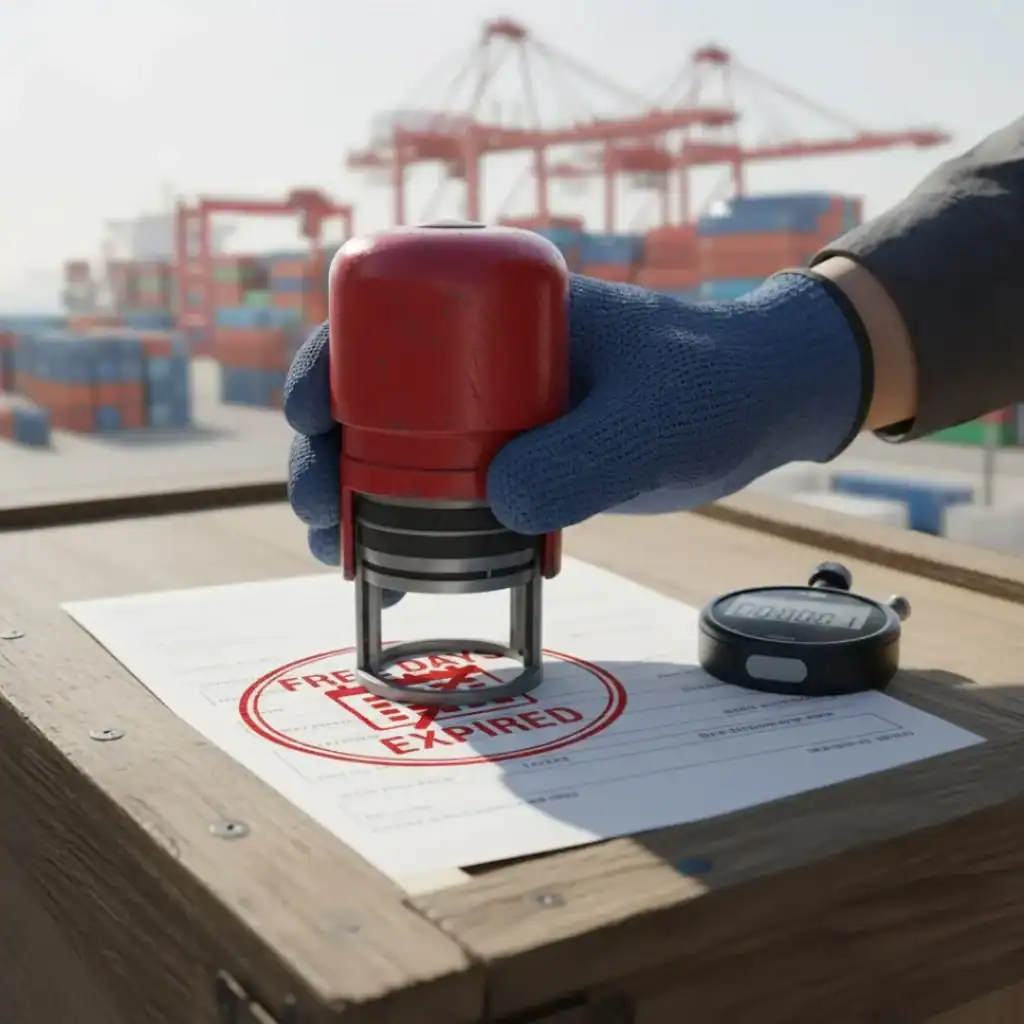
Many importers aren’t aware of this – but the clock starts ticking the moment your cargo is unloaded from the vessel.
Every port offers a certain number of free storage days. In Israel, for example, cargo typically has only four free days.
After that? Every additional day comes at a steep cost.
Storage fees accumulate quickly and can catch even the most experienced importers by surprise.
Silent Costs, Loud Consequences
Storage fees often don’t appear as a line item in your budget – until they suddenly show up on the invoice, hitting your profit margins hard.
Beyond direct costs, delays in cargo release can create gaps in the supply chain, halt production lines, compromise customer commitments, and in some cases, even lead to penalties from buyers.
What Causes Storage Fees?
Storage costs usually occur when cargo is not released on time. Common reasons include:
📄 Missing or incorrect documents – even a small error can halt the entire process.
🛃 Customs or regulatory delays – bureaucracy takes time, even when there’s no real issue.
📦 Unprepared buyers – sometimes cargo arrives, but no one is ready to receive it.
And that’s before we even consider sensitive or regulated goods, which may require special handling, licensing, or prior approval.
How to Avoid Costly Surprises
Here are three simple steps to save hundreds or even thousands of shekels every time you release cargo:
- Prepare all documents in advance – double-check numbers, signatures, and dates for accuracy.
- Coordinate with all relevant parties ahead of time – including suppliers, customs brokers, carriers, warehouses, and buyers.
- Track your cargo in real time – don’t wait for a phone call from the port.
In Summary
Port storage fees aren’t inevitable – they’re the result of planning, coordination, and timely action.
In most cases, they can be entirely avoided through proactive measures, transparent communication, and organized documentation.
Don’t let your cargo “sit idle” in the warehouse and rack up penalties – act smart, act early, and stay in control.