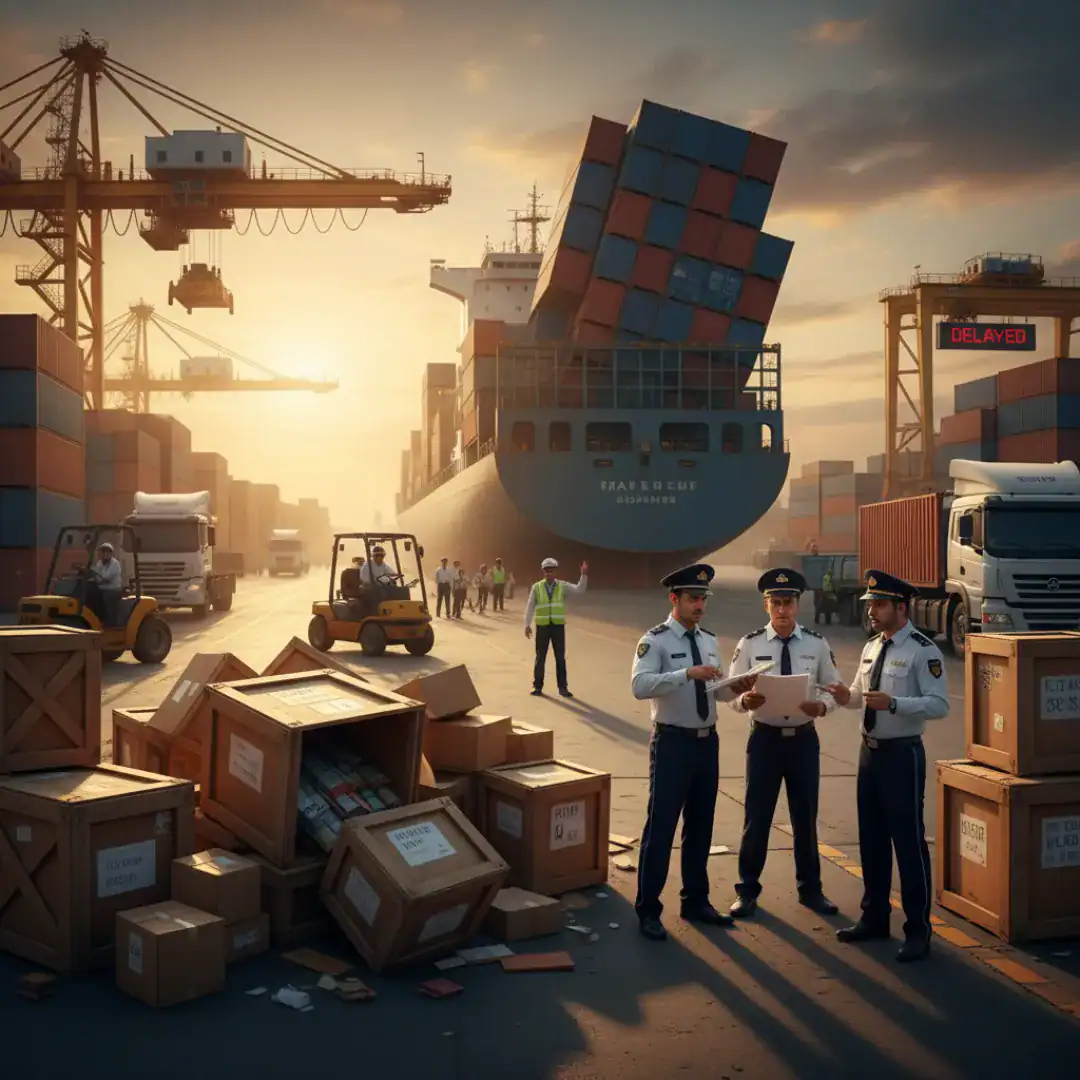

In recent years, the European Union has worked to strengthen the supervision of its external borders, focusing on safety, transparency, and the smooth flow of goods.
As part of this effort, the Import Control System 2, or ICS2, was developed.
Its purpose is to enhance security and streamline the process of inspecting imported goods and goods transiting through EU member states.
ICS2 is an advanced computerized system that collects preliminary data on every shipment before it arrives at Europe’s borders.
This enables customs authorities to conduct intelligent risk assessments, identify shipments that may pose a threat, and ensure that every shipment reaching the border is inspected accurately and efficiently.
The system has been gradually implemented since 2021, but starting September 1, 2025, it will also fully apply to land shipments, including road and rail transport.
For importers using shipping services through EU countries, this is a mandatory regulation that must be understood.
What is ICS2 and why is it important?
ICS2 is an advanced computerized system designed to collect pre-arrival information on goods entering or transiting through the European Union.
The system requires every participant in the supply chain- including importers, freight forwarders, carriers, distributors, and logistics providers- to submit an Entry Summary Declaration (ENS) containing complete details of the shipment.
The main goal of ICS2 is to allow customs authorities to conduct high-quality risk analyses at an early stage. This makes it possible to identify dangerous shipments, prevent problematic goods from entering, and maintain a high level of safety and security at the EU’s borders.
At the same time, the system is designed to facilitate legitimate trade. Shipments submitted with complete, accurate, and timely information are expected to be released faster, without unnecessary delays or inspections.
Thus, ICS2 serves as a key tool for balancing effective security with the smooth movement of goods. It also enables better information sharing among all stakeholders, reducing errors and improving operational efficiency.
What is an Entry Summary Declaration (ENS) and why is it required?
The ENS is a mandatory pre-arrival filing for every shipment entering the EU, regardless of the final destination of the goods.
The requirement applies to goods destined for import, goods remaining on board (FROB), and goods in transshipment through an EU port en route to another destination. The purpose is strictly security-related and does not concern customs duties, taxation, or goods clearance.
The carrier is responsible for filing the ENS, but the declaration is based entirely on information provided by the customer. Therefore, accuracy is the responsibility of every party in the shipping process- whether a logistics company, customs agent, or importer.
The ENS must be submitted at least 24 hours before loading goods onto a vessel bound for the EU. The declaration is filed with the customs authority at the first port of entry into the Union.
The ENS must include:
- Name and address of the consignor and consignee (including EORI number)
- Notify Party, if required
- HS Code (minimum 4 digits, preferably 6)
- Package types, unit count, and gross weight
- Shipping marks (for packed goods only)
- Container and seal numbers
- Freight payment code (e.g., cash, bank transfer, via agent)
Corrections may be made if necessary, but they require customs approval and may be rejected.
Unlike U.S. or Canadian reporting systems, a House B/L is not required- the Master B/L is sufficient even when the shipper or consignee is an international forwarder.
Who is ICS2 relevant for?
ICS2 applies to everyone involved in transporting, forwarding, or receiving goods entering the EU- whether shipments are destined for Europe or merely transiting through EU countries on their way to Israel or elsewhere.
This means every player in the supply chain must prepare and understand their responsibility in providing ENS data.
Key stakeholders include:
- Importers and exporters
Must ensure ENS is filed on time and in full. - Freight forwarders, couriers, and logistics providers
Ensure the accuracy of shipment details, including packaging, weights, and HS codes. - Carriers (road, sea, and air)
Required to file the ENS but rely on accurate information from shippers or logistics agents. - Postal operators
Even small parcels and private shipments must include full and detailed descriptions. - Economic Operators (EOs) in the EU
Companies handling goods must comply with the same requirements and be registered with a valid EORI number.
The rules apply to all EU member states and, as of September 1, 2025, also to land shipments by road and rail. Even goods merely transiting through the EU must be reported in full.
How was ICS2 implemented?
ICS2 was introduced in phases to allow gradual adaptation across the supply chain:
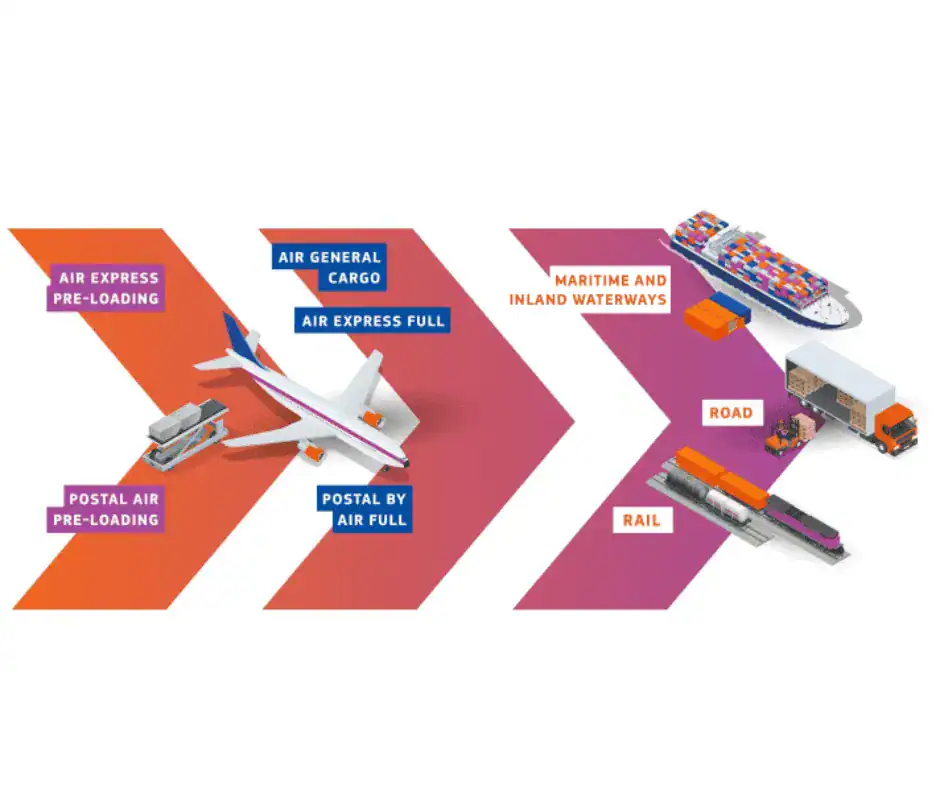
| Parameter / Phase | Phase 1- March 2021 | Phase 2- March 2023 | Phase 3- Sept 2025 |
|---|---|---|---|
| Shipment Type | Postal and Express | Air Shipments | Land and Sea Shipments |
| Obligated Parties | Couriers, Postal Operators | Airlines, Air Forwarders | Road, Rail, and Sea Carriers |
| Main Requirements | Advance ENS on contents | ENS required for every EU-bound flight | Full ENS before loading or border crossing |
Phase 3 is especially critical for Israeli importers since many shipments pass through EU land or sea ports.
Shipments not compliant with ICS2 may face significant delays, unexpected stops, or even denial of entry into the Union.
How does ICS2 work in practice?
ICS2 operates in three main steps, each requiring strict compliance from importers, carriers, and forwarders:
- Advance Filing (ENS)
Submission before loading or border crossing.
Requirement: Accurate details such as goods description, HS code, weight, addresses, container, and seal numbers. - Risk Analysis
Automated checks against security and risk databases.
Requirement: Ensure accuracy and clarity of submitted data; avoid vague descriptions. - Border Control
Match actual shipment to ENS data before granting entry.
Requirement: Provide consistent, updated documentation- any discrepancy may cause delays.
The system integrates with national customs platforms and enforces full compliance.
Every data point must be validated in advance, with no exceptions.
What are the benefits of ICS2?
While compliance requires strict adherence and accurate reporting, ICS2 offers several benefits:
- Enhanced border security
Advanced risk analysis identifies dangerous shipments early, protecting both public safety and the economy. - Faster clearance
Accurate and timely filings allow shipments to clear customs quickly, avoiding unnecessary inspections. - Cost savings
Reduced storage fees, fewer logistical stoppages, and less friction with customs authorities. - Transparency and efficiency
Centralized data reduces errors, duplications, and inconsistencies while improving supply chain synchronization. - Reputation and trust
Businesses that comply with ICS2 demonstrate professionalism, reliability, and alignment with international standards.
In Summary: How to prepare for ICS2
ICS2 is not just a technical update- it represents a major shift in how the EU manages security, control, and efficiency in the import of goods.
From September 1, 2025, every shipment entering the EU- by air, sea, rail, or road- will require accurate pre-arrival reporting through this system.
Importers who fail to comply may face costly delays, unnecessary inspections, and even rejection at the border.
Those who prepare properly, provide timely and accurate data, and collaborate with carriers and freight forwarders will benefit from smoother, faster, and more cost-effective trade.
Now is the time to familiarize yourself with the requirements, implement the right processes, and work with professionals who know the system inside and out.
This will ensure your goods reach their destination quickly, safely, and without surprises.
For training videos on the ICS2 system (in English), click here