
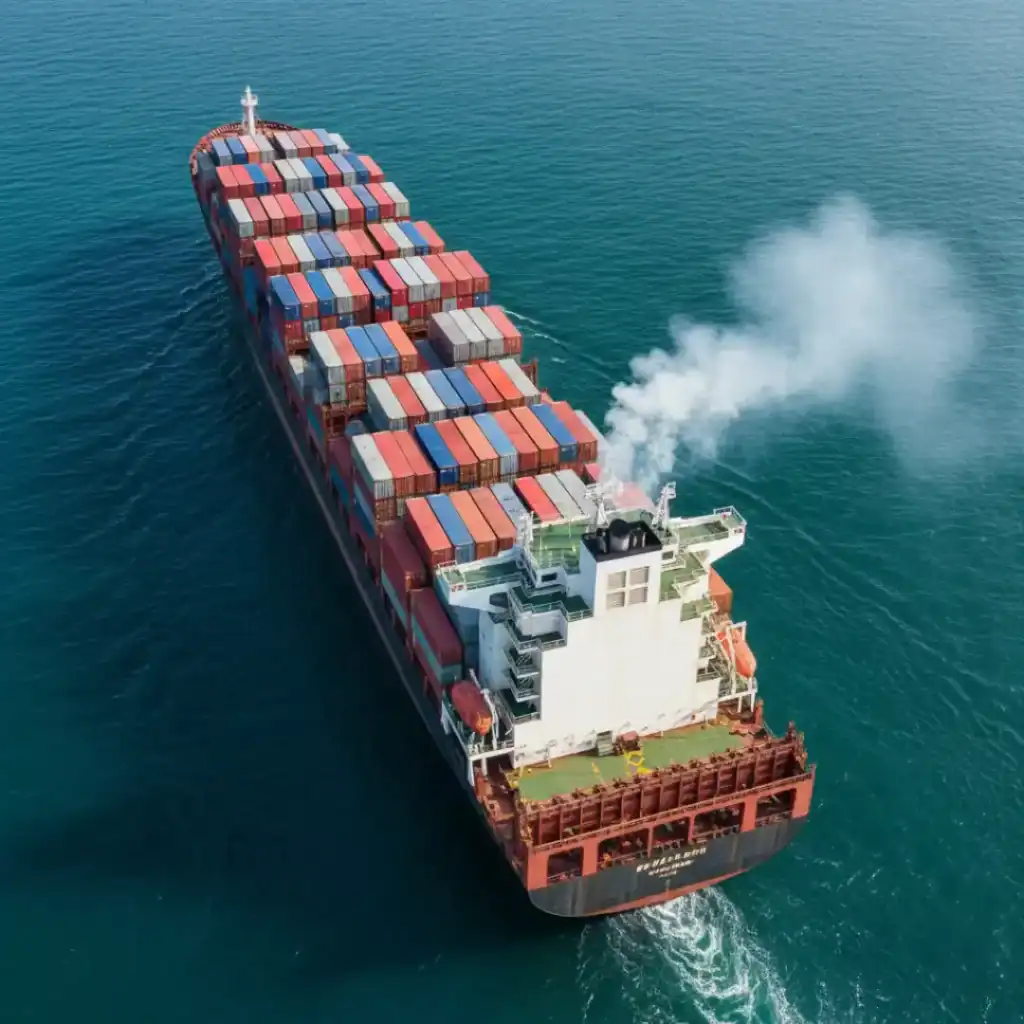
Sea freight is one of the most common and vital methods of shipping in international trade. Using large cargo ships, massive containers, and advanced technology, it’s possible to move enormous volumes of goods between countries relatively easily and at a competitive cost.
In this post, we’ll take an in-depth look at sea freight: what it is, how it works, the key stages of the process, and essential tips to help you avoid costly mistakes.
Why Is Sea Freight Important?
Sea freight enables businesses around the world to import and export products efficiently, including heavy, oversized, or bulk cargo. Around 80% of global trade is carried by sea, making it the beating heart of the global economy.
Key Advantages:
- Low Cost: Compared to air freight, the cost per kilogram is significantly lower.
- High Capacity: Cargo ships can carry tens of thousands of containers.
- Wide Variety of Cargo: From electronics to heavy raw materials, virtually any type of goods can be shipped.
Types of Containers in Sea Freight
What Is a Container?
A container is a large metal box designed for transporting goods. It protects cargo, simplifies loading and unloading, and serves as a standardized unit in the shipping process.
Types of Containers
1. Dry Container (Standard Container):
The most common type.
Suitable for dry goods such as clothing, toys, or electronics.
2. Reefer Container (Refrigerated Container):
Designed for goods that require controlled temperatures, such as food or pharmaceuticals.
3. Open Top Container:
Ideal for tall or bulky items that cannot be loaded through a standard door.
4. Flat Rack Container:
Intended for particularly heavy or oversized items, such as vehicles or industrial equipment.
Container Sizes
- 20-Foot (TEU): A smaller container, suitable for small businesses or lighter cargo.
- 40-Foot (FEU): Double the size, ideal for larger or commercial shipments.
- High Cube Containers: Taller containers, perfect for cargo that requires extra volume.
The Stuffing Process: How It Works
What Is Stuffing?
Stuffing is the process of packing and loading goods into a container for sea transportation.
Steps in the Stuffing Process:
1. Packing the Goods:
Ensure products are properly protected against shocks, moisture, and physical damage.
Tip: Use materials like bubble wrap, sturdy cartons, and securing straps.
3. Arranging the Container:
Place heavier items at the bottom and lighter items on top.
Maintain balanced distribution to prevent shifting during transit.
3. Sealing the Container:
Once the cargo is properly arranged, the container is closed and sealed with a unique identification number.
Stuffing Methods: FCL and LCL
Method #1 – FCL (Full Container Load)
Meaning:
The entire container is used exclusively for a single buyer’s cargo.
Advantages:
Full privacy for the cargo.
Lower risk of damage.
More efficient transit times.
Disadvantages:
More expensive for smaller shipments.
Method #2 – LCL (Less Than Container Load)
Meaning:
The cargo is shared with shipments from other buyers in the same container.
Advantages:
Suitable for smaller shipments.
More cost-effective.
Disadvantages:
Higher risk of damage.
Longer transit times.
Stages of Sea Freight
1. Container Arrival at the Port of Origin
The container is transported to the port by truck or train, where initial paperwork checks are conducted.
2. Inspection and Documentation
Required documents include:
- Commercial Invoice
- Bill of Lading
- Customs Declaration
3. Loading onto the Ship
The container is loaded using giant cranes and arranged on the deck according to the stowage plan.
4. Shipping Routes and Transit Times
Common routes:
- Asia to Europe: ~30 days
- North America to Israel: ~14 days
5. Arrival and Entry at the Destination Port
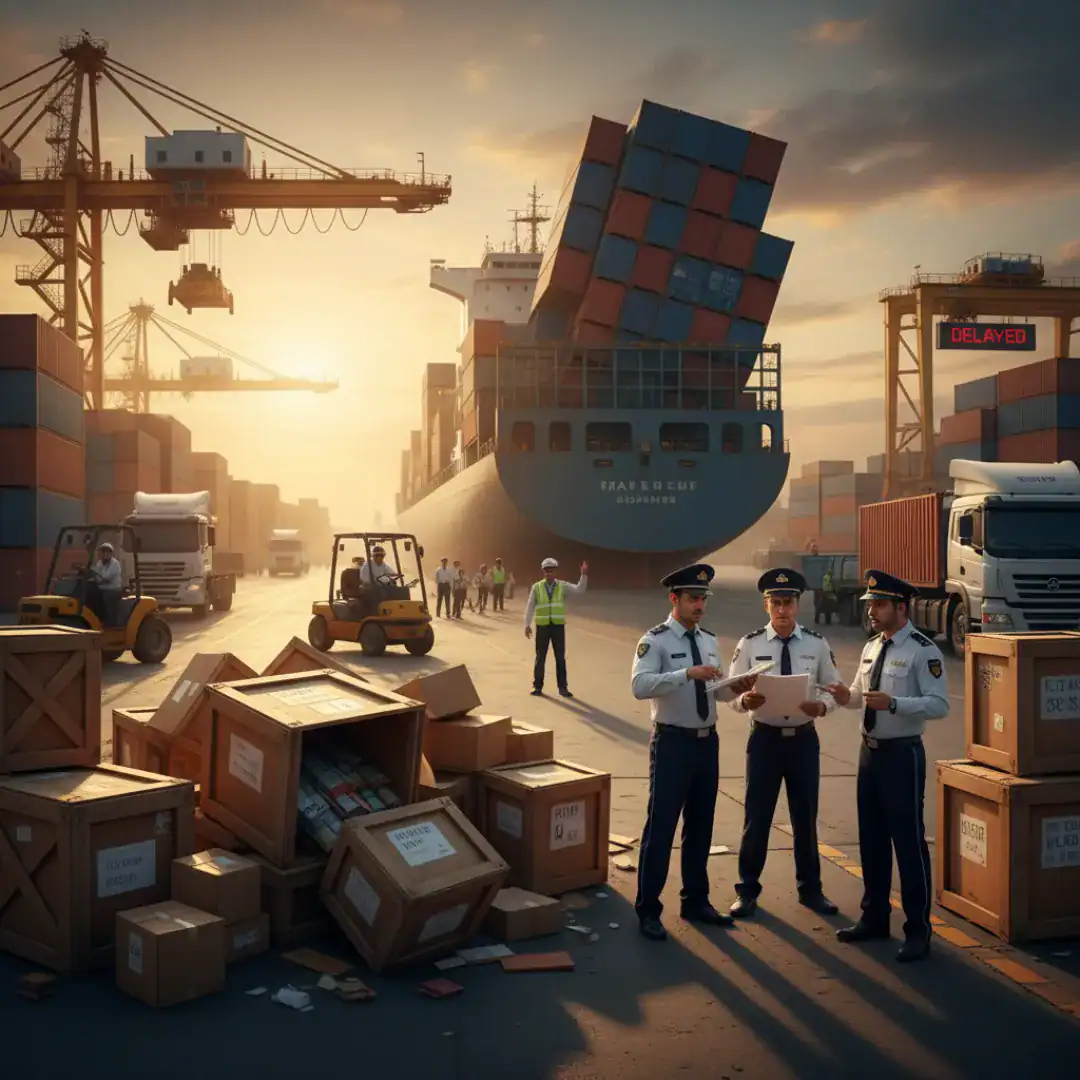
Upon arrival, the container undergoes additional inspections and awaits clearance.
6. Waiting at the Port (Port Queue)
In some cases, due to congestion, containers may experience extended waiting times.
7. Unloading and Cargo Release
The container is unloaded and transferred to a truck or train for delivery to the final destination.
Essential Tips for Sea Freight
1. Check Your Documents in Advance: Ensure all your paperwork is accurate and up to date.
2. Work with an Experienced Freight Forwarder: They can save you time, money, and hassle.
3. Insure Your Cargo: Marine cargo insurance is crucial.
In Summary
Sea freight is a cost-effective and efficient way to transport goods, but it requires careful planning and monitoring. Understanding container types, the stuffing process, and shipping stages can help streamline operations and prevent costly errors.