

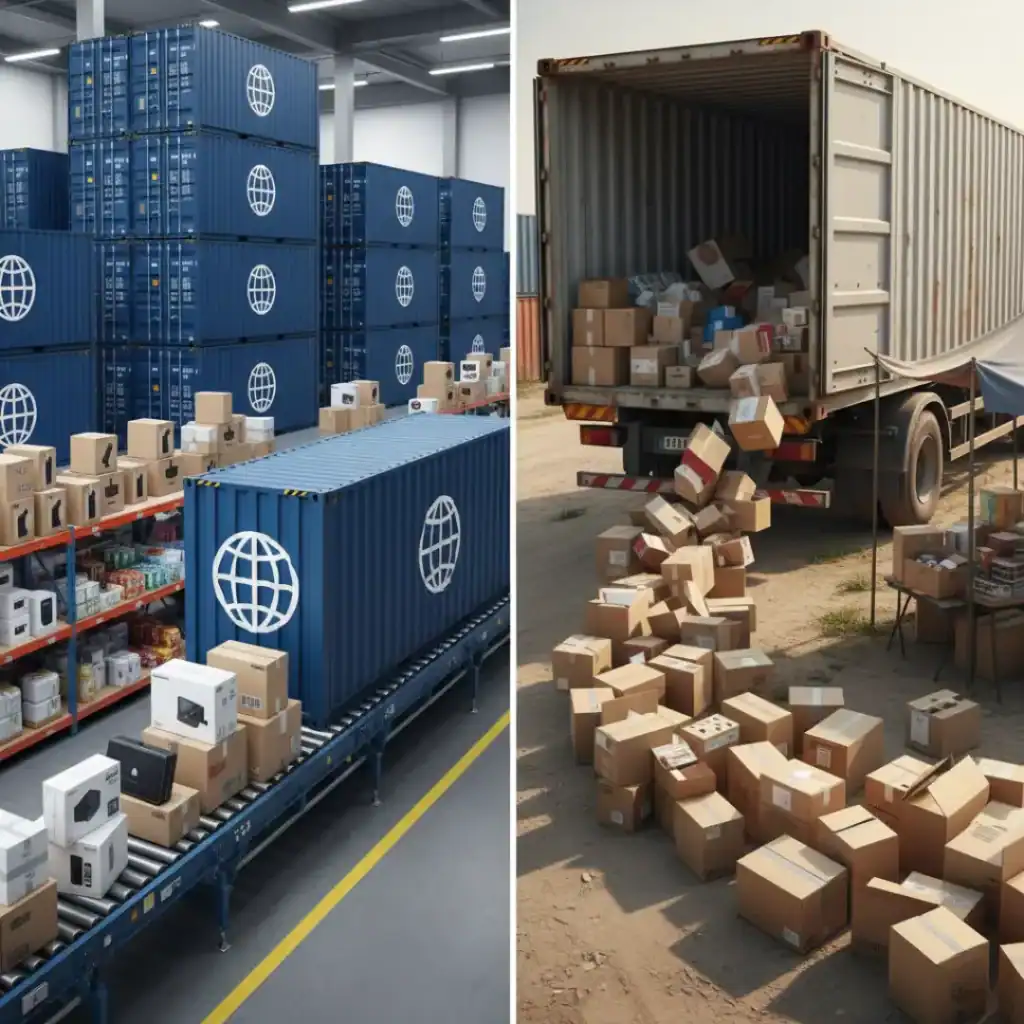
Many importers, especially small businesses and new entrepreneurs, struggle to decide which model works best: official import or parallel import.
The difference isn’t just about who brings the products in, but what you get in return:
is it premium service and full warranty coverage, or more competitive and affordable pricing?
In this article, we’ll break down how each model works, explore their key advantages and drawbacks, and help you determine which approach best fits your business or customer needs.
What Is the Difference Between Official Import and Parallel Import?
The terms official import and parallel import describe two main channels for bringing products into Israel.
An official importer is a company that has received direct authorization from the manufacturer to import, distribute, and often provide service and warranty for its products in Israel.
A parallel importer, on the other hand, operates independently- without a formal agreement with the manufacturer- and brings in the same or equivalent products from other markets, usually where prices are lower.
The choice between official and parallel import isn’t just about cost.
It also influences consumer rights, after-sales service quality, model availability, and compliance with local standards and regulations.
In recent years, parallel import has become an increasingly common practice worldwide, helping promote competition in markets that were once dominated by exclusive importers.
What Is an Official Import and Who Qualifies as an Official Importer?
An official importer is a company that has received exclusive authorization from the manufacturer to import, market, and service its products within a specific country- in this case, Israel.
This status allows the importer to act as the brand’s official representative, with direct access to the factory, technical support, and original spare parts.
In most cases, the official importer also benefits from marketing assistance and a continuous working relationship with the manufacturer – including professional training, technological updates, and sometimes even exclusive distribution rights.
However, it’s important to note that regulatory compliance applies to all importers, not just official ones.
Both official and parallel importers must ensure that their products meet Israeli standards, including:
- Hebrew-language instructions and labeling
- Compatibility with local voltage and frequency requirements
- Obtaining the Israeli Standard Mark, when applicable
While the official importer is typically the first to adapt products to the local market, this isn’t a special privilege – it’s a legal obligation shared by every importer.
Parallel Import and the Economic Competition Law
In 2023, Israel’s Economic Competition Law was amended to include a dedicated section on parallel and personal import.
The amendment imposed clear restrictions on official importers, aiming to protect fair competition and open the market to new players.
Prohibited actions include:
- Changing packaging or technical specifications of products
- Imposing restrictive commercial terms
- Pressuring foreign manufacturers or suppliers
- Attempting to trace competitors’ supply chains
These measures reflect the government’s intent to curb monopolistic behavior and encourage competition – giving small businesses and consumers broader access to global products.
A notable case in August 2025 illustrated this point: Seeds Ltd., a major food importer, was fined over half a million shekels for sending a foreign manufacturer photos of candy packaging imported through parallel channels.
The Competition Authority viewed this as an illegal attempt to block competitors’ supply sources.
The case ended with a consent decree but sent a clear message to the market: competition laws in Israel are being strictly enforced.