
How It All Began: The Background of SOLAS
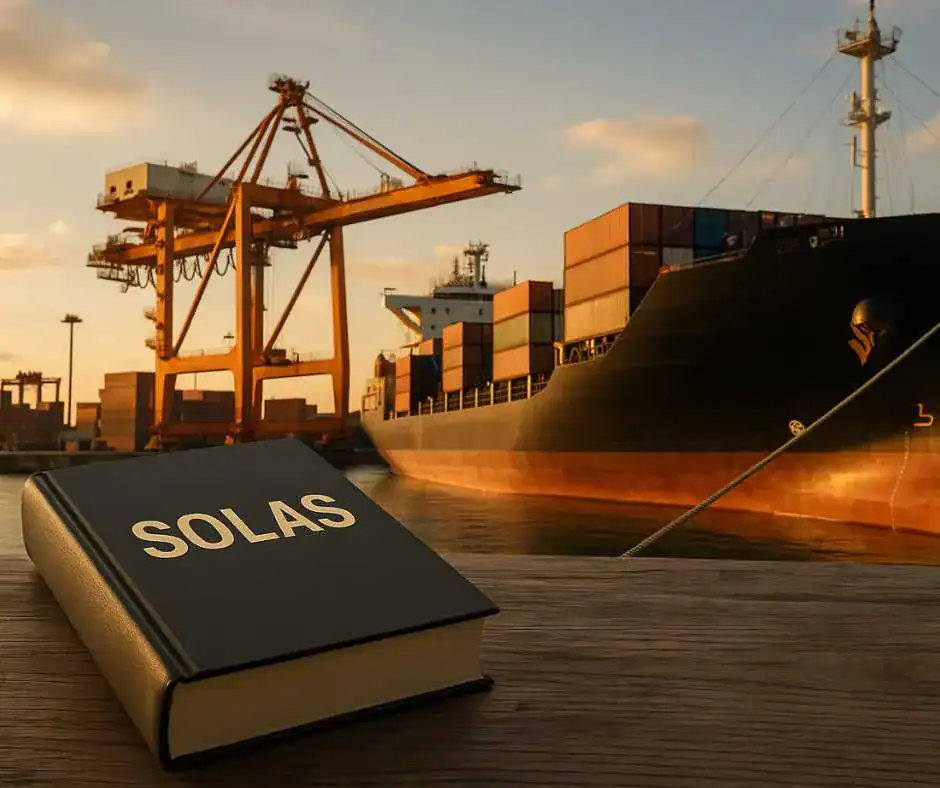
The SOLAS Convention, short for the International Convention for the Safety of Life at Sea, was born out of one of the most infamous maritime disasters in history-the sinking of the Titanic in 1912.
The tragedy shocked the world and led to international recognition of the need for clear, uniform rules to ensure the safety of passengers, crews, and cargo at sea.
The first convention was drafted in 1914 and has since been updated several times: in 1929, 1948, 1960, and finally in its most comprehensive and binding version in 1974.
This version includes a mechanism that allows for ongoing updates to regulations without requiring re-approval by all member states, keeping it relevant in the modern era of shipping.
The primary goal of SOLAS is to establish a uniform, global benchmark for maritime safety.
It sets mandatory standards for the construction, equipment, and operation of commercial vessels-including ships carrying containers to Israel.
While the flag state of the vessel holds direct responsibility for compliance, the reality is that the entire supply chain is affected, including importers.
What Does SOLAS Actually Include?
The SOLAS Convention is structured with a clear legal and organizational framework: a series of detailed regulations divided into 15 chapters, each addressing a different aspect of maritime safety.
Each chapter covers a distinct area of vessel operation-from ship design and emergency equipment to the transportation of hazardous cargo.
For example, the early chapters focus on structural requirements such as watertight compartments and stability standards, while other chapters address lifesaving equipment, emergency communication systems, fire safety, and operational procedures.
Additionally, the convention includes dedicated chapters for specialized vessels, such as tankers, high-speed ships, nuclear-powered vessels, and ships operating in polar regions.
One of the most important elements of the convention is the principle that every ship must carry valid certificates proving compliance with SOLAS requirements.
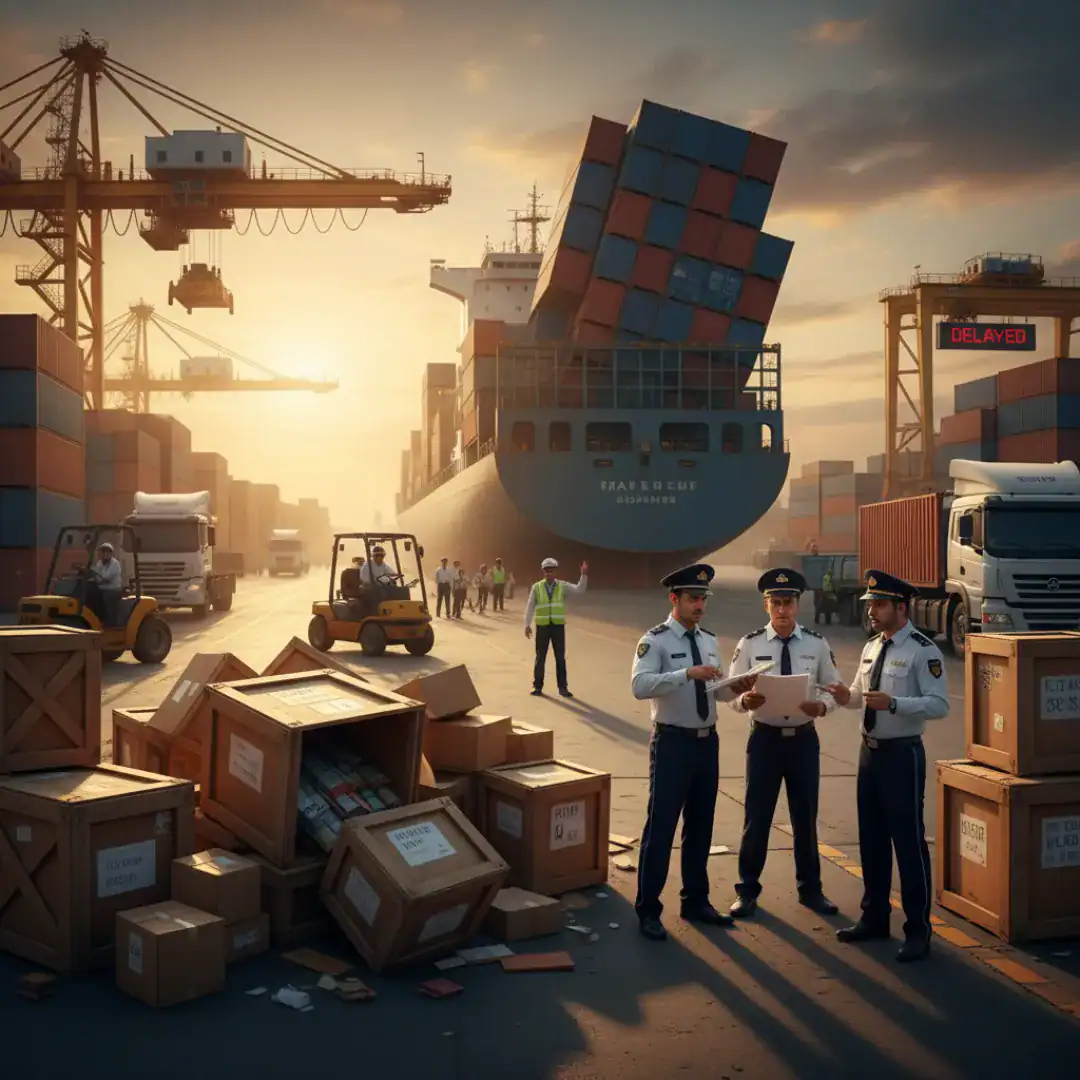
Countries have the authority to inspect foreign vessels in their ports-a process known as Port State Control. If serious deficiencies are found, authorities can delay the ship or even prohibit it from sailing.
The 15 Chapters of the SOLAS Convention
To understand the full impact of SOLAS on maritime imports, it’s important to be familiar with its structure.
Each chapter addresses a different aspect of maritime safety. Together, these chapters form the regulatory foundation for how ships are designed, equipped, operated, and inspected.
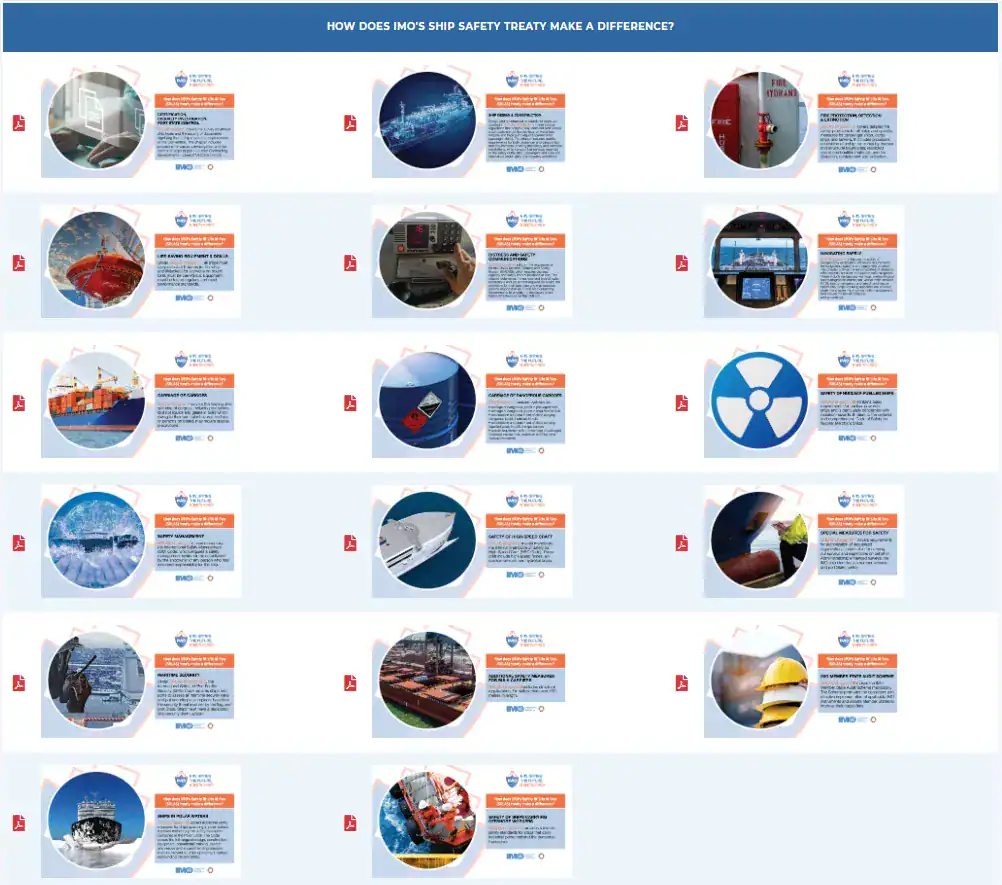
The following table summarizes the topics covered in each chapter:
| Chapter | Main Topic |
|---|---|
| 1 | General provisions, surveys, certificates, and port state control |
| 2-1 | Ship construction, stability, watertight subdivision, and mechanical & electrical equipment |
| 2-2 | Fire safety – prevention, detection, extinguishing, and compartmentalization |
| 3 | Life-saving appliances and arrangements – lifeboats, life jackets, and emergency procedures |
| 4 | Radio communications – GMDSS systems and emergency equipment |
| 5 | Navigation safety – including AIS, VDR, and maritime assistance services |
| 6 | Carriage of cargo – requirements for packing, securing, and loading |
| 7 | Carriage of dangerous goods – in accordance with the IMDG Code |
| 8 | Nuclear ships – radiation protection and special structural requirements |
| 9 | Safety management – ISM Code compliance and safe operational procedures |
| 10 | High-speed craft – specific requirements for fast vessels |
| 11-1 | Special measures to enhance maritime safety – including identification numbers and inspections |
| 11-2 | Special measures to enhance ship and port security – ISPS Code |
| 12 | Safety of bulk cargo ships – additional structural requirements |
| 13 | Verification of compliance – state surveys and inspection standards |
| 14 | Ships operating in polar regions – Polar Code |
| 15 | Safety of ships transporting industrial personnel – coming into effect in 2024 |
The table helps illustrate the scope of the convention and the level of detail it covers in each area-from the ship’s structural design to the procedures for saving lives in an emergency.
Which SOLAS Chapters Are Especially Relevant for Importers?
Not every clause in the SOLAS Convention is directly relevant to import operations, but several chapters have a direct impact on the logistics activities of Israeli importers.
Chapter 6 deals with the carriage of cargo, including clear guidelines for packing, securing, loading, and unloading goods.
It sets rules designed to prevent cargo from shifting during transit-a risk that can cause significant container damage and even endanger lives.
Chapter 7 covers the carriage of dangerous goods, such as chemicals, pesticides, lithium batteries, or certain electronic components.
For importers handling sensitive products or materials classified as hazardous, this chapter is critical.
It mandates full compliance with the IMDG Code, including precise labeling, accompanying documentation, and storage according to regulatory requirements.
Chapter 5 is also relevant, as it addresses the navigation safety of the vessel.
If a ship is improperly equipped or the crew fails to follow mandatory navigation standards, the vessel may face delays, emergency inspections, or even denied port entry.
Finally, Chapters 11-1 and 11-2 focus on security and control-including ship identification, port inspections, cargo security standards (ISPS), and restrictions that countries may impose on vessels that fail to meet these requirements.
Port Inspections and Enforcement: What Happens When a Ship Fails to Comply?
One reason the SOLAS Convention is considered particularly effective is its ability to enforce requirements even outside the flag state of the vessel.
The main enforcement mechanism is Port State Control (PSC), which allows authorities in any country to inspect foreign ships calling at their ports.
During an inspection, authorities examine factors such as:
- Functionality and condition of equipment
- Validity of certificates
- Compliance with cargo carriage standards
- Safety and security measures
- Crew documentation
If significant deficiencies are found, port authorities have the power to delay the vessel, prohibit cargo unloading, or even prevent the ship from continuing its voyage.
For importers, this represents a potential vulnerability that can directly impact the supply chain. For example:
- Containers may be delayed for days or even weeks
- Cargo may be exposed to damage due to unplanned storage
- Accumulated costs-storage fees, fines, and additional insurance-can reduce profitability
For this reason, it’s recommended that importers work with reputable shipping companies that proactively verify the accuracy of documentation and the vessel’s compliance with SOLAS. Choosing suppliers who transport goods on reliable, well-regulated ships helps minimize risk and ensure smooth operations.
In Summary
The SOLAS Convention is not a technical document intended only for ship engineers or captains.
It is a global standard that sets the rules for safety, operation, and inspection of commercial vessels-and every maritime shipment arriving in Israel is subject to it, whether directly or indirectly.
Familiarity with the convention’s structure, understanding its key chapters and their impact, and the ability to identify potential deficiencies or risks are skills that can make the difference between a smooth import and an expensive delay.
Importers who are aware of safety requirements, ask the right questions, and choose the right partners protect not only their cargo but also their business reputation.
To ensure long-term compliance and efficiency, it is recommended to incorporate regular checks of shipping documents, review the condition and compliance of selected vessels, and confirm that cargo is transported according to international safety regulations.